
FREE sourcing support for qualified business buyers, with an eligible benefit of up to 3%. Eligibility applies to qualified business buyers and is confirmed after we review your product, quantity, destination, and sourcing requirements.

Brand Logo
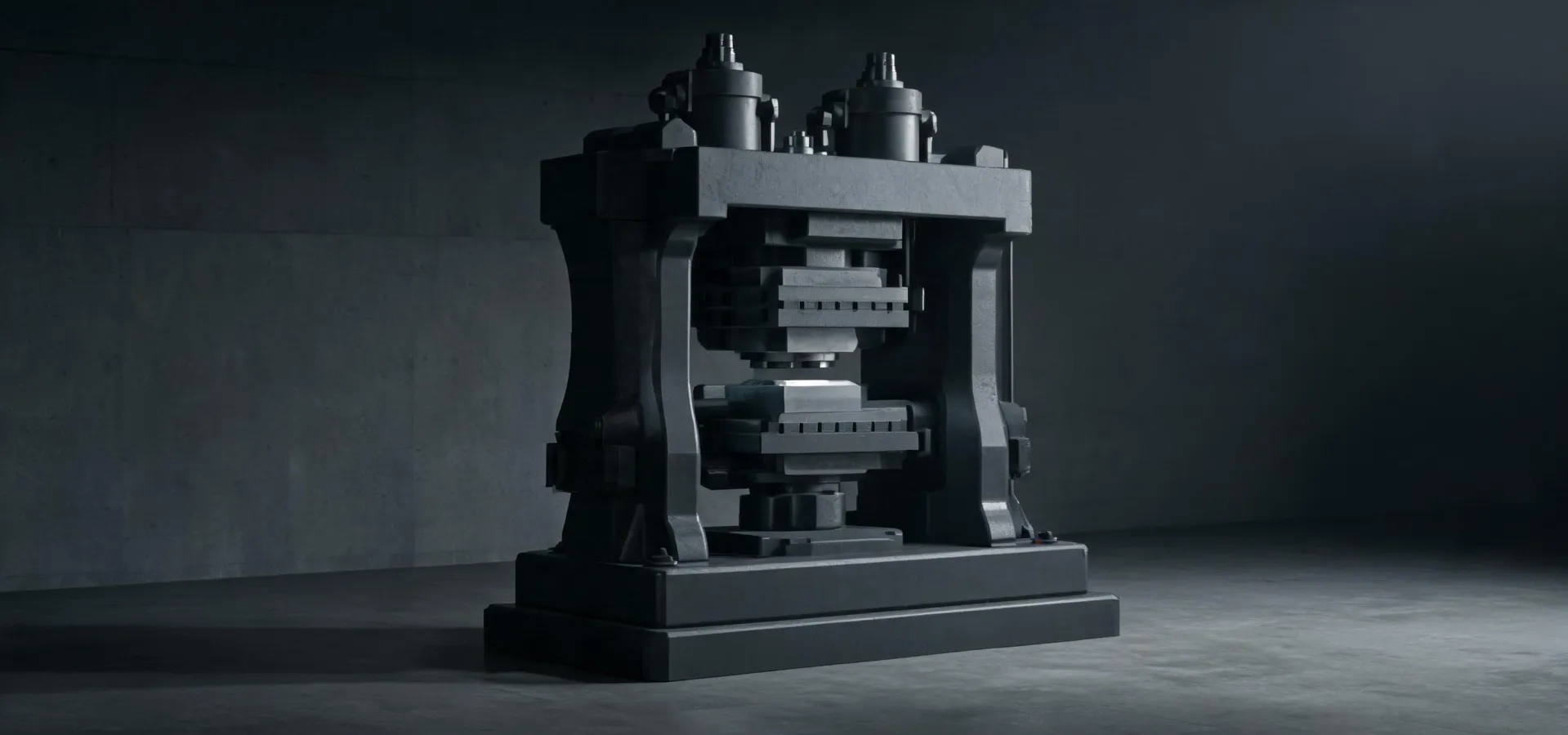
Closed-die forging press used as a reference scene for supplier matching
QUOTE MATCHING DESK

Closed die forging press suppliers, quoted on one scope

For a short medical or implant-adjacent lot, we assemble one RFQ, send it to candidate closed die forging press suppliers, and line up die, piece, inspection, and freight replies. No plant is treated as pre-approved. ISO 13485, NADCAP, and mill files remain the bidder's to produce.

See inquiry families
ISO 9001 to requestIATF 16949 to requestAS9100D to requestNADCAP heat treat to requestITAR plant status to request

Matching sequence the buyer can audit

01

Freeze the revision

Collect drawing revision, file format, alloy, GD&T datums, heat-treat window, prototype quantity, production lot, EAU, inspection plan, destination, and Incoterm. A missing interstitial limit or coupon rule later becomes an exclusion, not a free add-on.
02

Screen process fit

Closed-die versus open-die, hammer versus press, and whether the candidate even runs the alloy. A machining house with a brochure forging photo is not a process match for oem titanium medical forging service work.

03

Issue the same package

Each plant receives the same revision. Quotes that change draft, stock, preform shape, or NDT without marking the change are treated as alternatives, not as the baseline bid.

04

Split the money

Die, tryout, flash-land resink, piece, heat treat, NDT, packing, freight, and duties stay on separate lines so factory-gate and landed figures can be ranked. This desk does not publish a savings percentage.

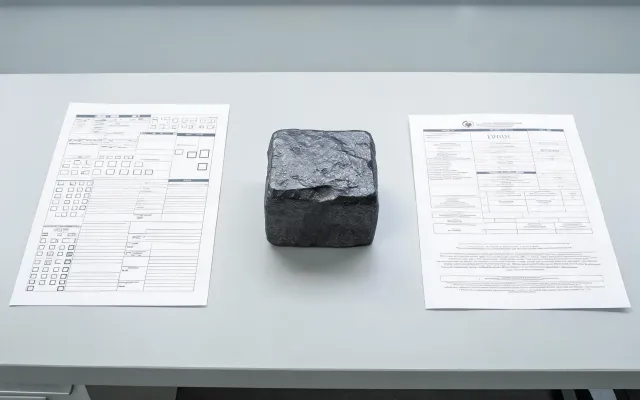
RFQ checklist beside a forged sample

What every supplier must quote

Die steel class or insert strategy, expected flash-land wear on the stated lot size, heat-treat route, hardness method, whether an FAI coupon is cut from the same heat as production, sample lead, production cadence, and which costs sit outside the piece price. Blank lines are unanswered, not implied zeros.

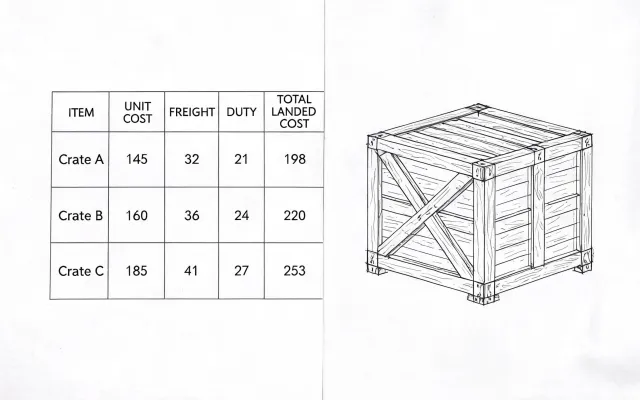
Landed-cost worksheet with freight and duty columns

Exclusions that change landed cost

Ocean or air freight, duties, rust preventive, export boxing, third-party NADCAP heat treat, and PPAP document prep often sit outside a factory wholesale number. Rank replies on the same Incoterm, destination, and inspection package rather than on ex-works piece price alone.

RFQ field map used with closed die forging press suppliers

Technical basis
Press / hammer classBuyer names tonnage or energy class if known; otherwise ask the plant to propose and justify
Die ownershipWho stores inserts, who pays for a flash-land resink, and how engineering change orders are priced
Sample pathDie tryout pieces versus production-intent heat treat; T0/T1 language is borrowed only as a sample-gate metaphor
Commercial basis
MOQ / NREMinimum order and non-recurring engineering stay visible; amortized die cost must show EAU assumption
Quote validityAlloy surcharge, energy surcharge, and validity date are supplier-owned facts

Process papers to request, not to assume

ISO 9001

Scope must list forging or heat treat actually used on the part.

IATF 16949

Needed when PPAP and control plans are contract requirements.

AS9100D

Ask whether special processes are internal or NADCAP subcontracted.

ITAR / RoHS

Plant registration and material declarations stay with the bidder.

Questions buyers raise before kickoff

Plants. Closed Die Forging Manufacturer Sourcing is an independent sourcing partner and does not hold ISO 13485, operate a press, or issue mill certificates. If the OEM needs device-grade QMS coverage, request the producing site's certificate, scope, and site address.

No. We line up factory wholesale quotations and the landed total for the same revision, quantity, destination, and inspection pack. Without that shared packet, a percentage cut would be a marketing figure, not a comparison.

State whether sample pieces use production dies, production heat treat, and an FAI coupon cut from the same heat as production. Prototype route and production route often differ in die steel, flash-land condition, and inspection.

Mark it as an alternative. Do not mix open-die, casting, or heavily machined billet into the closed-die baseline without a written buyer decision.